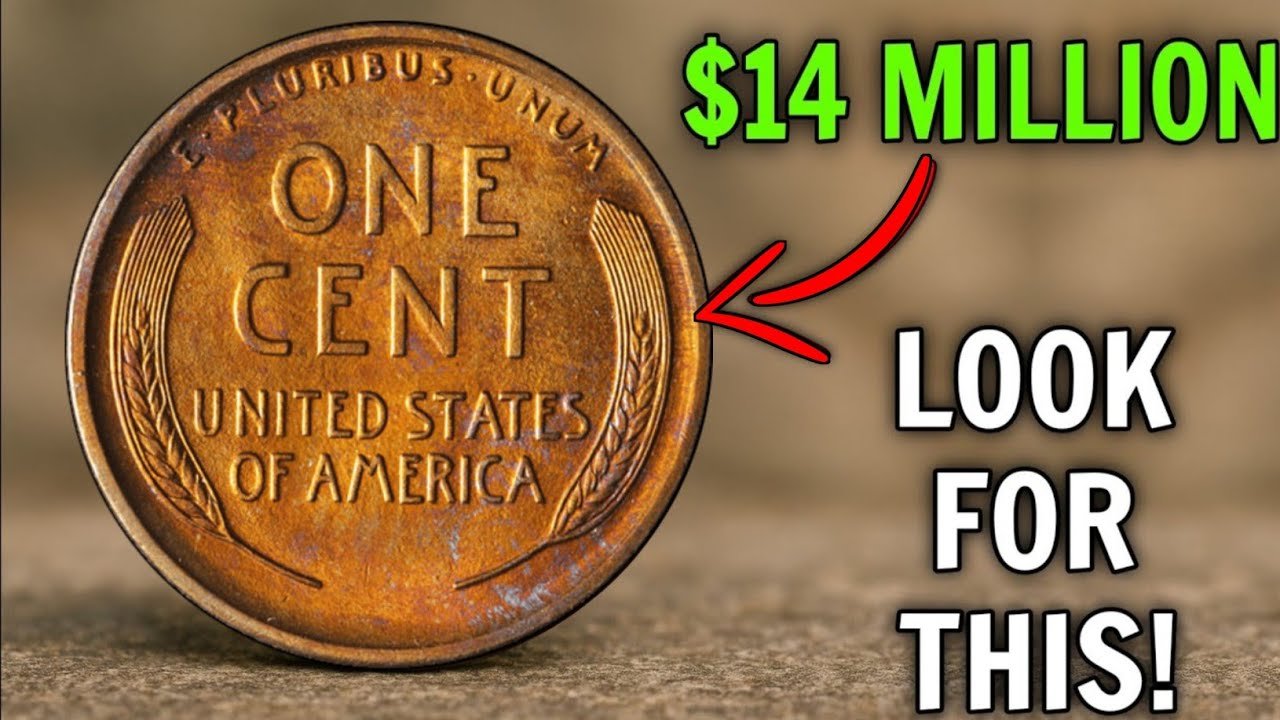
Headlines about a Lincoln Wheat Penny worth $14 million often surface online and in social feeds. These stories mix facts, rare sales records, and rumors in a way that makes a single penny sound like a life-changing discovery.In reality, a verified sale of a Lincoln Wheat Penny for $14 million has not appeared in major auction records. High-value Lincoln cents do exist, but values are typically in the thousands to low millions for exceptional examples.
Why the $14 Million Story Spreads
Several factors fuel the myth that a wheat penny could fetch $14 million. First, a few famous misstruck or historically significant coins have achieved extraordinary prices, but those are usually different coin types.
Second, online rumor and misattributed photos can circulate without verification. Third, people conflate the highest prices for U.S. coins overall with prices for Lincoln Wheat Pennies specifically.
Common sources of confusion
- Misidentified coin types or years.
- Photos of unrelated high-value coins labeled as “wheat penny.”
- Exaggerated private sale reports lacking auction verification.
Is the $14 Million Lincoln Wheat Penny Still in Circulation?
No verified example of a Lincoln Wheat Penny selling for $14 million has been documented, so there is no confirmed coin of that value to be hiding in circulation.
Lincoln Wheat Penny Worth $10,000: Rare Finds in Loose Change

That said, genuinely rare wheat pennies and major die-error pennies do occasionally turn up in circulation. Most significant discoveries are authenticated, graded, and sold through reputable auction houses.
How to Tell If Your Lincoln Wheat Penny Might Be Valuable
Most wheat pennies are common and worth one cent. A few features and varieties can make a wheat penny valuable.
- Key dates: Examples include certain 1909, 1914-D, and 1931-S strikes that are scarce in higher grades.
- Major errors or die varieties: Doubled dies, off-center strikes, and wrong-metal strikes can raise value.
- Condition: Uncirculated or high-grade (MS) examples command much higher prices than worn coins.
- Mint marks: Some mint marks indicate much lower mintage or survival rates and therefore higher value.
Quick checks you can do at home
- Magnet test: 1943 steel cents are magnetic; a copper 1943 should not be magnetic and is rare.
- Visual inspection: Look for doubled dates or letters, missing elements, or unusual planchet color.
- Weight test: Steel vs. copper have different weights; a precise scale helps identify anomalies.
Steps to Authenticate and Protect a Potentially Valuable Lincoln Wheat Penny
If you believe you have an unusually valuable wheat penny, follow a clear process to preserve and verify it.

- Handle with gloves or by the coin edges to avoid oils and scratches.
- Take high-resolution photos of both sides under good light.
- Compare to reference guides for known varieties and errors.
- Submit to a trusted grading service (PCGS, NGC) for authentication and grading.
- Choose a reputable auction house or dealer to sell if the grade and rarity justify it.
What authentication provides
Professional grading gives a coin a grade and encapsulation that increases buyer confidence. Authentication can transform a suspected rarity into a verifiable saleable item.
Rare Susan B. Anthony Dollar Worth $25,000: Find One in Your Spare Change
Case Study: Finding and Selling a Rare Wheat Penny (Real-World Steps)
A collector found an unusual 1955 penny in pocket change and noticed strong doubling on the date and lettering. The find looked like the well-known 1955 doubled die variety.

They photographed the coin, compared it to images from authoritative references, and sent it to a grading service. The grading company confirmed the doubled die variety and assigned a grade.
With authentication complete, the collector consigned the coin to a reputable auction house. The professional documentation significantly increased buyer interest and resulted in a sale far above face value.
Practical Advice for Everyday Collectors
Don’t assume any single wheat penny is worth millions. Focus on careful inspection and authentication. Valuable coins exist, but their rarity and condition determine price.
- Keep everyday finds safe and clean them only if a professional advises it.
- Use reputable references and grading companies for verification.
- If in doubt, get a professional opinion before selling or cleaning.
Where to Learn More and Get Help
Trusted coin books, auction house catalogs, and established numismatic forums are good learning resources. Established grading services also publish guides and population reports that show how rare a coin and grade are.

Consult a local coin dealer or regional coin club for hands-on advice. A short expert consultation can save time and preserve value.
Bottom Line
Claims that a Lincoln Wheat Penny is worth $14 million are unverified and likely rumor. Genuine valuable wheat pennies do exist and sometimes show up in circulation, but documented auction records do not support a $14 million Lincoln Wheat Penny sale.
If you think you have a rare wheat penny, protect it, document it, and seek professional authentication. That process is the practical path to discovering real value.
