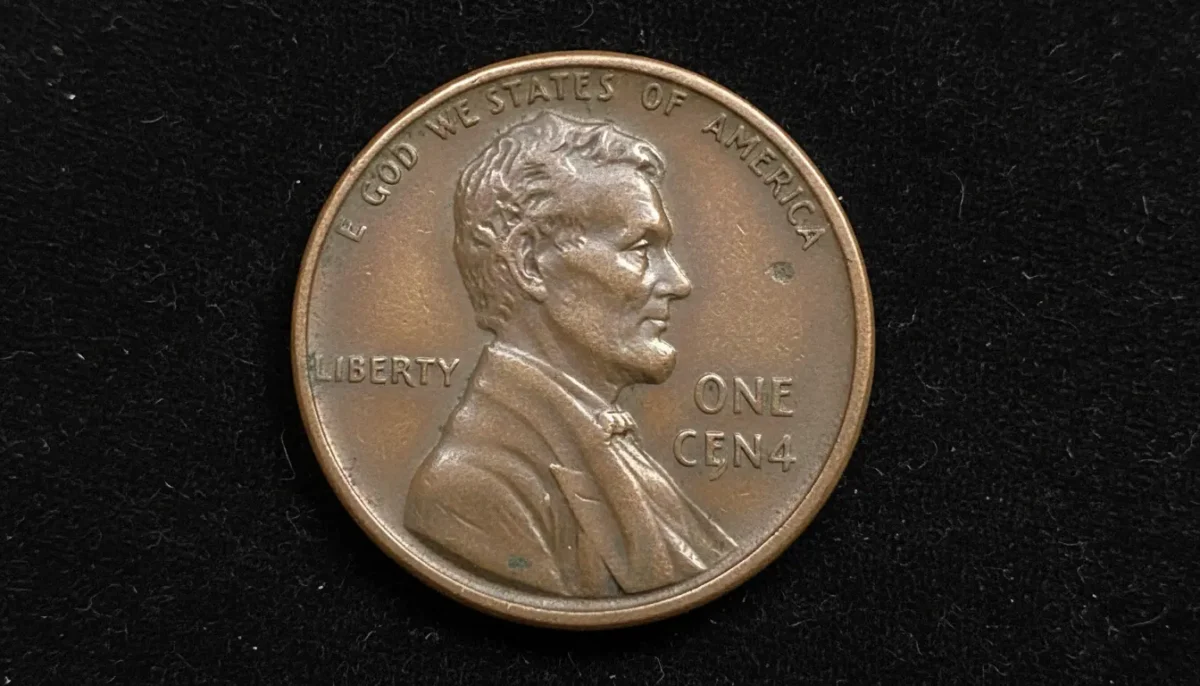
If you keep jars of old coins or sort through loose change, you might already own a valuable Lincoln wheat penny. Some wheat pennies from 1909 to 1958 can reach or exceed $10,000 when they show rare dates, mint errors, or high-grade condition.
Why some Lincoln wheat pennies are worth $10,000
Value depends on three main things: rarity, condition, and collector demand. A scarce date or an unusual minting error can push a common coin’s price up dramatically.
Key value drivers include low mintage, major die errors (like doubled dies), wrong-metal strikes (such as 1943 bronze), and high mint-state grades from professional grading services.
How to spot a Lincoln Wheat Penny Worth $10,000
Start with careful visual inspection. Use a magnifying glass or smartphone macro lens to examine small features like mintmarks, initials, and doubling on letters.
- Check the date and mintmark (under the date). Mintmarks include D (Denver) and S (San Francisco).
- Look for the initials VDB on the reverse (1909 VDB variations are important).
- Inspect for doubling on LIBERTY, the date, or Lincoln’s profile—this may indicate a doubled die.
- Note the metal color: a 1943 penny in bronze color is a major red flag because most 1943 cents were steel.
Tools to help identify high-value wheat pennies
Use simple tools before sending a coin for expert authentication. A bright lamp, magnifier (10x), digital scale and reference images are enough to catch many key traits.

Rare Susan B. Anthony Dollar Worth $25,000: Find One in Your Spare Change
Top wheat pennies that can be worth $10,000 or more
Not every example of these dates is worth five figures, but high-grade or error examples are the ones to watch.
- 1909-S VDB — The S mint and the VDB initials on the reverse make this one of the most sought-after wheat cents.
- 1914-D — Low mintage and collector demand make this date valuable, especially in uncirculated grades.
- 1922 No D — Many 1922 cents lack a visible D; well-preserved unmarked coins are rare and valuable.
- 1931-S — Scarcer in higher grades, 1931-S examples can command serious prices.
- 1943 Bronze — Most 1943 pennies were steel – bronze strikes are extremely rare and have sold for well over $10,000 in many cases.
- 1955 Doubled Die Obverse — Strong doubling on the obverse can make these wheat cents highly desirable to specialists.
What to do if you find a potential $10,000 wheat penny
If you think you’ve found a valuable wheat penny, handle it carefully. Oils and scratches from cleaning can destroy value.

- Do not clean the coin. Cleaning often lowers value dramatically.
- Photograph the coin from multiple angles under good light.
- Place the coin in a soft holder or coin flip to avoid damage.
- Use online resources or coin forums for a preliminary ID, but avoid definitive valuation there.
- Get professional authentication from a reputable grading service such as PCGS, NGC, or ANACS.
Did You Know?
Some 1943 bronze Lincoln cents have sold for over one million dollars at auction when authenticated as genuine bronze production errors.
Real-world example: A jar find turned sale
A collector once found an unusual brown-toned 1943 penny in a jar and suspected it might be bronze. They stopped handling it, took clear photographs, and sent it to a grading service for authentication.
After professional grading confirmed it was a genuine 1943 bronze strike and assigned a high grade, the coin sold to a collector at auction for five figures. This case shows how initial caution and proper authentication protect and unlock value.

How grading affects a coin’s value
Grading assigns a condition score and authenticates a coin. For rare wheat pennies, a high grade (MS60 and above) can move a coin from thousands to tens or hundreds of thousands of dollars.
Expect grading fees and shipping costs, and use insured shipping. Auctions and reputable dealers can help reach serious collectors.

Common mistakes that reduce value
- Cleaning or polishing the coin at home.
- Using abrasive holders or tape that scratches surfaces.
- Selling quickly to the first buyer without authentication or multiple offers.
Where to get help and next steps
For a potential high-value find, use established grading companies like PCGS and NGC. Local coin shops can offer initial guidance, but insist on professional authentication before final sale decisions.
Keep records: photos, provenance (where you found the coin), and grading reports. Good records help when insuring or selling through an auction house.
Finding a Lincoln wheat penny worth $10,000 or more is rare, but knowing how to recognize key dates and errors, and following the right steps after a discovery, increases your chances of turning a loose coin into a verified treasure.
