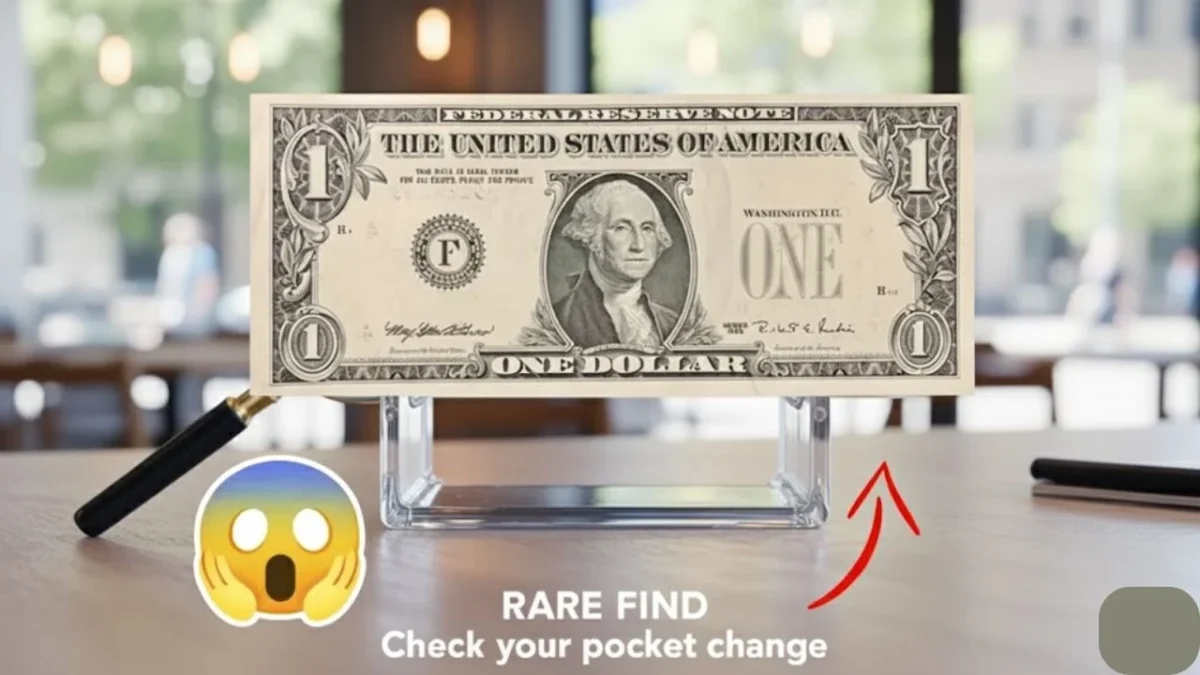
Identify the 1995 $5 Bill:- Most people glance at paper money only to confirm the amount before spending it. But for collectors and sharp-eyed individuals, small printing errors can turn an ordinary bill into a valuable find. One such rare and fascinating example is the 1995 $5 bill with an inverted seal. This unusual printing mistake has captured the attention of currency collectors and can be worth far more than its face value.
What Is an Inverted Seal Error?
An inverted seal error occurs when one of the official seals on a U.S. banknote is printed upside down. On the $5 bill, this usually involves the Treasury seal, which should appear upright on the right side of the note. Due to a misalignment during the printing process, the seal may appear completely upside down while the rest of the bill looks normal.
These errors are considered major printing mistakes, making them much rarer and more desirable than minor ink smudges or off-center prints.
Why the 1995 $5 Bill Is Special
The 1995 series of the $5 bill is part of the older U.S. note design, printed before the major redesigns that introduced large portraits and enhanced security features. Because fewer error notes from this period remain in circulation, any genuine 1995 $5 bill with an inverted seal is especially appealing to collectors.

Additionally, the inverted seal is easy to spot, which adds to its popularity among both beginner and experienced collectors.
U.S.A. Minimum Wage Changes: New Hourly Pay Rates Coming in December 2025

How to Identify a 1995 $5 Bill With an Inverted Seal
To check your bill, follow these steps carefully:
- Look at the front (obverse) of the bill.
- Locate the green Treasury seal on the right side of Abraham Lincoln’s portrait.
- The seal should normally be upright. If the text and design inside the seal appear upside down, it may be an inverted seal error.
- Confirm that the serial numbers and portrait are correctly aligned. A true inverted seal error affects only the seal, not the entire bill.
- Check the series year printed on the bill, which must read Series 1995.
How Much Is It Worth?
The value of a 1995 $5 bill with an inverted seal depends on its condition and authenticity. In general:
- Lightly circulated examples may sell for several hundred dollars.
- Crisp, uncirculated notes can command $1,000 or more.
- Notes graded by professional services often achieve higher prices.
Demand can vary, but strong collector interest keeps prices consistently above face value.

Avoiding Fakes and Alterations
Because error notes are valuable, altered bills do exist. Some individuals attempt to modify genuine currency to mimic rare errors. To protect yourself:

- Examine the ink carefully for signs of tampering.
- Compare the seal color and texture with a normal $5 bill.
- Consider having the note authenticated by a professional currency grading service if you believe you’ve found a genuine error.
Why Checking Your Change Matters
Rare currency errors like the 1995 $5 bill with an inverted seal remind us that valuable collectibles can still be hiding in everyday places. A quick look at your pocket change or cash drawer could uncover an unexpected treasure.
Final Thoughts
The 1995 $5 bill with an inverted seal is a standout example of how a simple printing mistake can turn an ordinary banknote into a prized collectible. By knowing what to look for and checking your cash carefully, you might just discover a rare piece of currency history in your hands.
