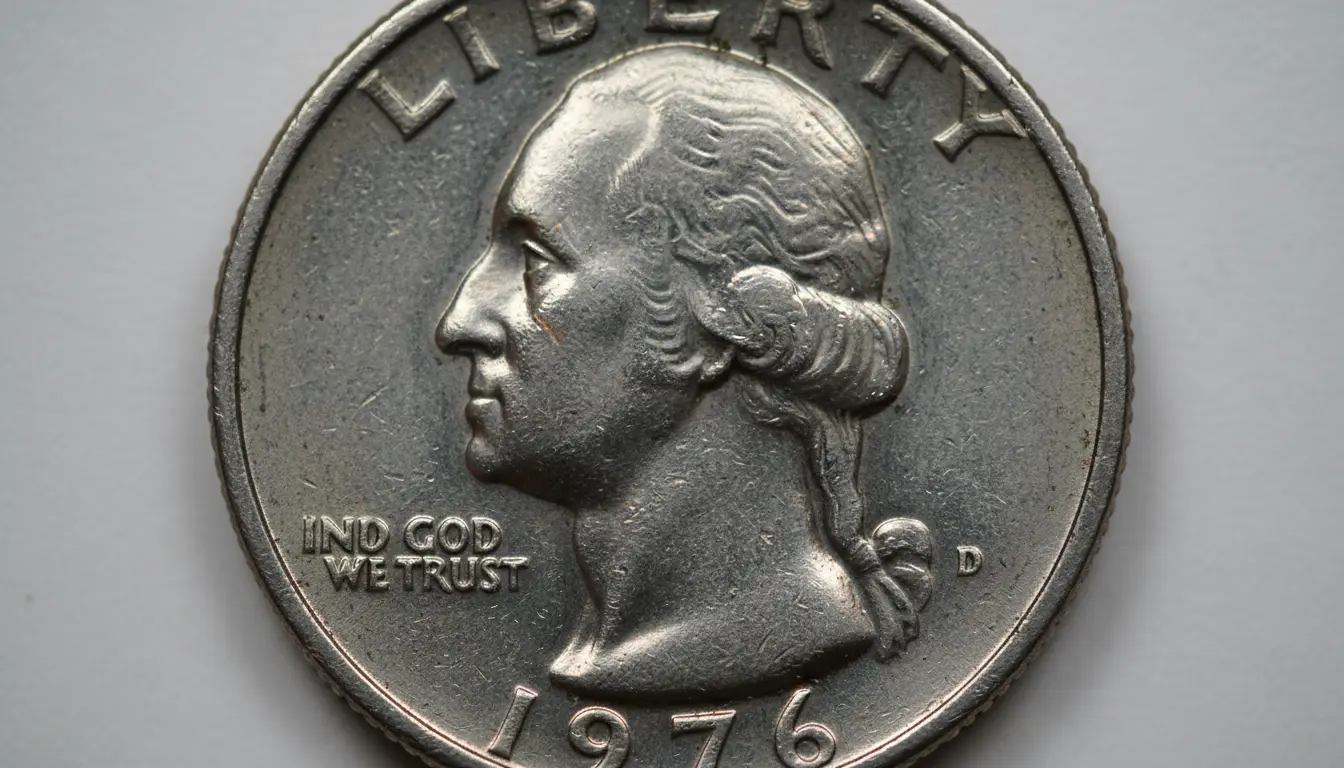
Hunt for Rare 1976 Many people overlook the value hidden in everyday coin jars. The 1976 Bicentennial quarter is common in circulation, but certain varieties and errors can be worth much more than face value.Rare 1976 This guide explains how to hunt for rare 1976 Bicentennial quarters and what to look for when inspecting loose change.
Why 1976 Bicentennial Quarters Matter
The 1976 Bicentennial quarter was issued to celebrate the 200th anniversary of U.S. independence and bears the dual date 1776-1976. Most were struck for circulation and remain common. However, key varieties, mint errors, and special minting processes created collectible pieces.
Collectors prize specific examples for rarity, eye appeal, and historical interest. Detecting high-value examples starts with knowing the likely categories that fetch premiums.
Common Valuable Types of 1976 Bicentennial Quarters
- Error coins: off-center strikes, double dies, clipped planchets, and broadstrikes.
- Proof and special issues: coins from mint sets or proof sets with different finishes or silver content.
- High-grade circulation strikes: Uncirculated or mint-state (MS) coins with full luster and no wear.
- Varieties and die differences: subtle differences in lettering, devices, or die cracks.
How to Hunt for Rare 1976 Bicentennial Quarters
Hunting for rare quarters is methodical and low-cost. Start with what you have: piggy banks, jars, and cash drawers. Use a few basic tools and visual checks to screen coins quickly.

Kennedy Half Dollar vs Roosevelt Dime: Value and Key Differences
Tools You Need
- Good light source or LED lamp.
- 10x jeweler’s loupe or magnifying glass.
- Soft gloves or clean hands to avoid adding oils or scratches.
- Reference images or a coin guidebook (online resources work fine).
Step-by-Step Screening Process
- Sort quarters by year and mintmark, focusing on coins dated 1776–1976.
- Examine the reverse (Colonial drummer) and obverse for doubling or unusual marks.
- Look for off-center strikes where design elements are missing or shifted.
- Check edges for clipped planchets or irregularities in the rim.
- Set aside coins with exceptional luster or no wear for grading consideration.
Identifying Specific Errors on 1976 Bicentennial Quarters
Error coins often bring the highest premiums because they are visually obvious and limited in number. Knowing a few common error types helps you spot possibilities quickly.

Types of Errors to Watch For
- Double Die: Doubling appears on letters or numbers, usually noticeable on the date or motto.
- Off-Center Strike: Part of the design is missing; severity of offset affects value.
- Clipped Planchet: A portion of the coin edge looks cut off or crescent-shaped.
- Die Cracks and Cuds: Raised lines or blobs on the surface where the die cracked.
Grading and Value Considerations for 1976 Bicentennial Quarters
Value depends on type, condition, and market demand. Most circulated Bicentennial quarters are face value. Value rises for:
- Clear, large errors with strong visual appeal.
- High-grade uncirculated pieces (MS60+), especially with original luster.
- Proofs and special silver issues sold in mint sets.
Professional grading services can authenticate and grade coins, which helps when selling. Rare 1976 For valuable finds, consider getting a third-party grading service opinion before listing for sale.
How to Sell or Preserve a Rare 1976 Bicentennial Quarter
If you find a candidate coin, handle it carefully and document the find with photos under good light. Do not clean the coin, as cleaning can drastically reduce collector value.

Options for selling include auction houses, reputable coin dealers, or online marketplaces that specialize in coins. Get multiple opinions and price comparisons before accepting an offer.

Case Study: Small Find, Big Lesson
A local collector checked a roll of mixed quarters from a bank and found a 1976 quarter with a pronounced die crack across the reverse drum. The coin looked ordinary at first, but under magnification the raised line ran through the design and rim.
The collector had the coin photographed, compared it to reference images, and consulted a dealer. The coin sold to a specialist for a modest premium over face value because it was an obvious and attractive error. The takeaway: careful inspection of rolls and change can yield collectible pieces without large investment.
Practical Tips for Everyday Hunting
- Check change from grocery receipts, vending machines, and bank rolls.
- Keep a small loupe and box for suspected finds when you run errands.
- Join local coin clubs or online forums to learn what others are finding.
- Use reputable resources for values and grading standards to set realistic expectations.
Hunting for rare 1976 Bicentennial quarters is accessible and practical. With steady practice, good references, and careful handling, you can separate common circulation coins from those worth closer inspection. Keep looking—your next jar of change could hide a small treasure.
