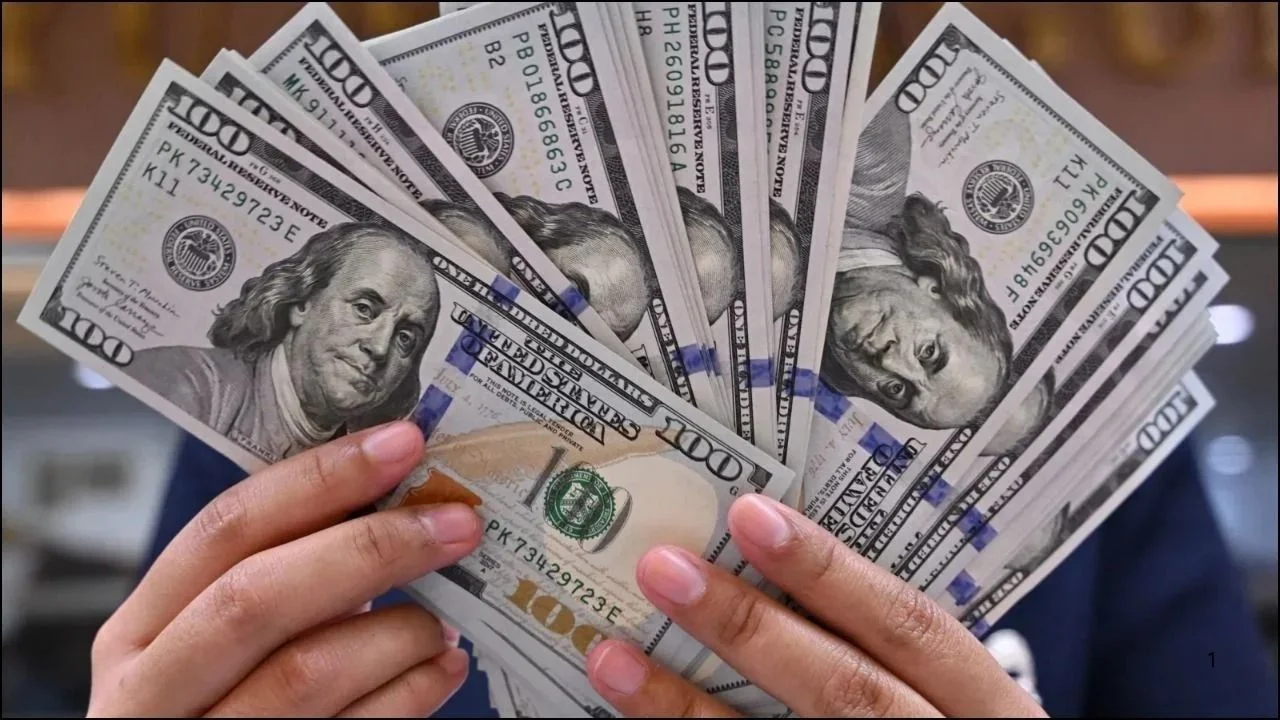
Minimum wage laws in the United States are seeing important changes in 2025 and 2026, driven largely by rising living costs and inflation. While the federal minimum wage remains unchanged at $7.25 per hour, many states and local governments are moving ahead with higher pay standards. These changes will impact millions of workers nationwide.
Here is a clear, link-free explanation of what to expect.
Federal Minimum Wage Status
-
The federal minimum wage is still $7.25 per hour
-
It has not increased since 2009
-
States are allowed to set higher minimum wages, and many do
If a state does not set its own wage, the federal rate applies by default.
Minimum Wage Changes in 2025
In 2025, several states continued previously approved wage increases. These changes were mostly part of multi-year plans or inflation-based adjustments.
Key trends in 2025:
-
States with higher costs of living maintained wages well above $15/hour
-
Some states adjusted wages automatically based on inflation
-
Local governments in major cities raised wages beyond state minimums

-
No change at the federal level
Major Minimum Wage Changes Coming in 2026
January 1, 2026, is a major milestone, with many states scheduled to raise wages again.
Capital One Settlement Payout 2025 Announced – Check Your Eligibility, Amount, and Payment Date
States With Notable 2026 Minimum Wage Increases
(Approximate projected hourly rates)
-
California: ~$16.90
-
Washington: ~$17.50+
-
Arizona: ~$15.15
-
Colorado: ~$15.15
-
Connecticut: ~$16.90+

-
Hawaii: $16.00
-
Maine: ~$15.10
-
Michigan: ~$13.70
-
Missouri: $15.00
-
Nebraska: $15.00
-
New Jersey: ~$15.50+ (varies by employer size)
-
New York: $16.00–$17.00 depending on region
-
Rhode Island: $16.00
-
South Dakota: ~$11.85
-
Virginia: ~$12.75

Several other states will also adjust wages later in 2026 based on inflation formulas.
States Remaining at Federal Minimum Wage
Some states do not have their own minimum wage laws and will continue using the federal rate of $7.25/hour, unless new legislation is passed.
These typically include:
-
Alabama
-
Mississippi
-
South Carolina
-
Tennessee
-
Louisiana
Workers in these states may still earn higher wages if their city or county has local wage laws.
Local and City Minimum Wage Differences
-
Many large cities set local minimum wages higher than state levels

-
Urban areas often have higher wage floors than rural regions
-
Employers must pay the highest applicable wage (federal, state, or local)
This means two workers in the same state may earn different minimum wages based on location.
$2,000 Federal Direct Deposit: What Americans Need to Know About Eligibility, Timing, and Claims
Why These Changes Matter
-
Millions of workers will see higher paychecks
-
Wage increases help offset inflation and rising living costs
-
Pay differences between states remain significant
-
Workers must check state and local rules to know their exact wage
Final Word
The USA Minimum Wage Changes for 2025–2026 highlight a growing divide between states that actively raise wages and those that rely on the federal minimum. While the federal rate remains frozen, state and local governments are increasingly shaping how much workers earn. Understanding your state and city’s wage laws is essential to knowing your rights and income expectations.
